Cell preservation and cloning for dogs and cats Region India Change
Language English
Where to start Preservation Cloning How it works Pricing Questions Get in touch
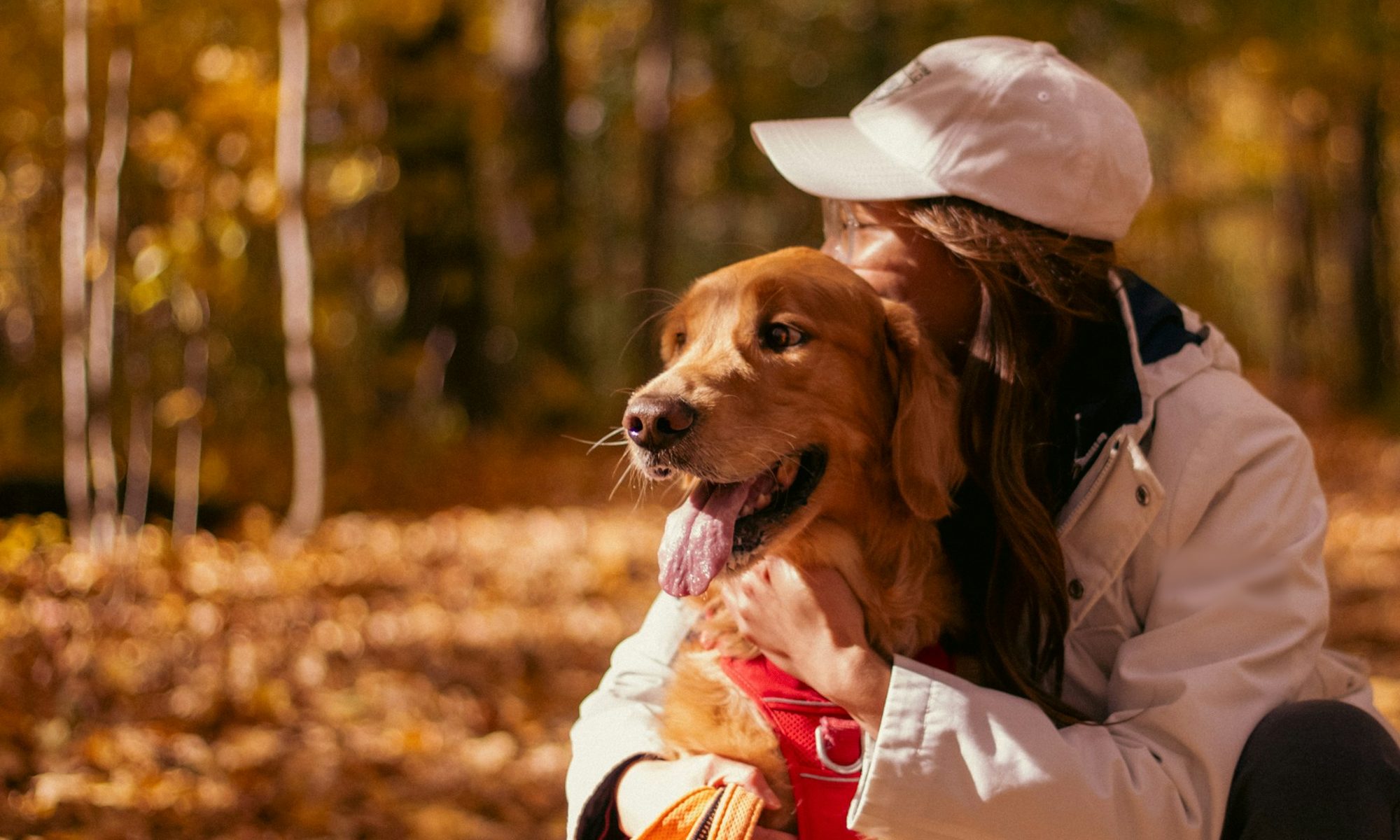
A woman kneeling in an autumn forest, holding her golden retriever close

Cloning your dog or cat begins with one small sample.

Living cells, taken from a simple skin biopsy, can be preserved for decades. Whether you decide to clone in five years or in twenty, the option stays open. Without those cells, it closes, usually within a few days.

Preservation costs €2,000 (≈ ₹2,17,900). The decision to clone can wait as long as you need.

In short

What we doWe grow living skin cells (fibroblasts) from a small biopsy and store them in liquid nitrogen, so your pet can be cloned later if you decide to.
What your vet doesOne small skin biopsy, a routine procedure.
After deathPossible within about five days if the body is refrigerated at 4 °C and never frozen.
PricePreservation €2,000 (≈ ₹2,17,900), including three years of storage. Cloning €50,000 (≈ ₹54,47,000).
WhereOur laboratory in India. Cloning with our partner Sinogene, one of the leading pet cloning companies in the world.
Start here

Where are you right now?

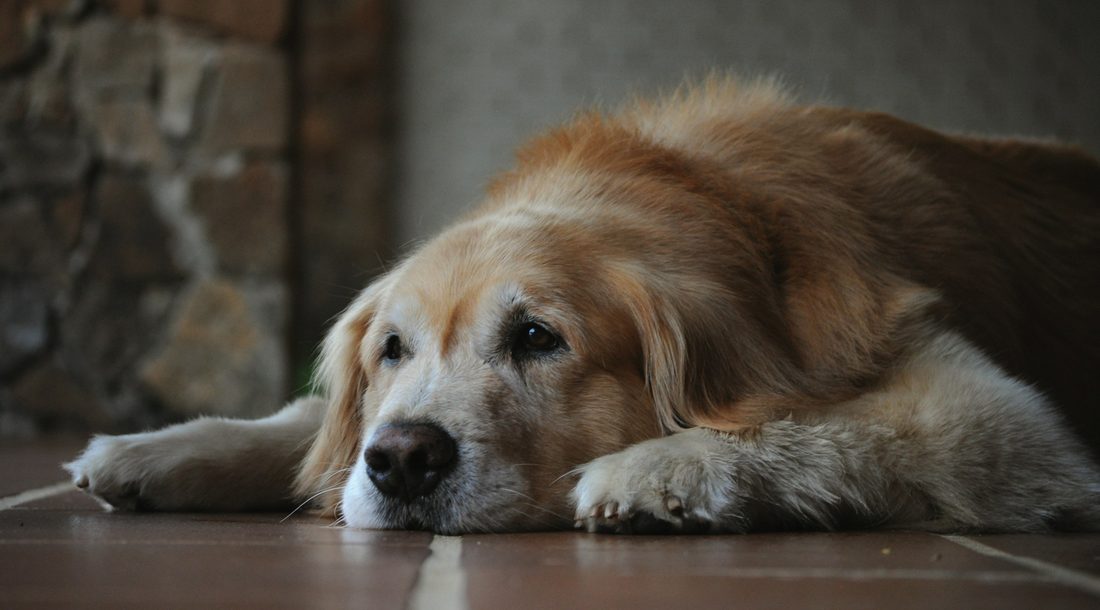
An old golden retriever resting on the floor at home

My pet is alive

This is the best possible position to be in, and there is no rush. A vet takes a small skin biopsy during an ordinary appointment, we culture the cells, and they wait in liquid nitrogen for as long as you want them to.

What happens next →
A small animal's paws resting on a knitted blanket

My pet has just died

Refrigerate the body. Never freeze it.

Freezing destroys every cell and ends all options permanently. Keep the body cold, at about 4 °C, and contact us now. We have succeeded with samples collected five days after death when the body was kept properly cold.

Contact us today →
An old sepia photograph of a dog sitting on a bench

My pet died some time ago

If the body was frozen or buried, cloning is unfortunately no longer possible, and we would rather tell you so at the start. If it has been kept in the fridge and only a few days have passed, write to us and we will look at your situation with you.

Ask about your situation →
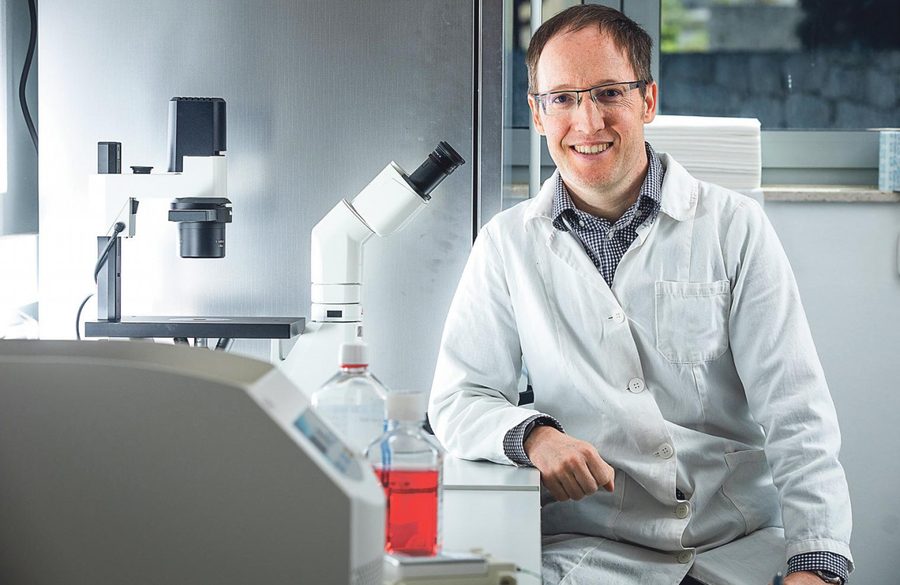
Dr François-Xavier Pellay in the laboratory
The person handling your cells

Dr François-Xavier Pellay, PhD

Dr François-Xavier Pellay is a research scientist who has spent more than twenty years on why cells age and what can be done about it. He has discovered new molecules, developed methods to restore function in aging cells, and leads Bimini Biotech, where that research continues in AFI+, an autologous fibroblast therapy. Fibroblasts, the cells preserved here, are the cell type he has worked with longest.

Bimini Pet came out of the limits of that work. Aging science is moving, but not fast enough for the animal in front of you today. Preserving living cells is what can be done now, while the rest catches up.

He founded Bimini Pet in 2022 and has since worked with about a hundred families, most of them at the hardest moment of their animal's life. He answers the messages himself.

PhD, cell & molecular biology20+ years in aging biologyMolecule discovery and cell rejuvenationFounder, Bimini Biotech d.o.o.
The first step

Preserving living cells, not DNA

Cloning cannot be done from DNA alone. Not from hair, not from a swab, not from a saved blood sample. It requires living cells, and the cells of choice are fibroblasts, which live in the skin.

A small skin biopsy, about the size of a pencil eraser, is taken by a veterinarian. In our laboratory those cells are grown in culture over three to four weeks until there are several million of them. They are then frozen in liquid nitrogen at −196 °C, where biological time effectively stops. They can wait there indefinitely.

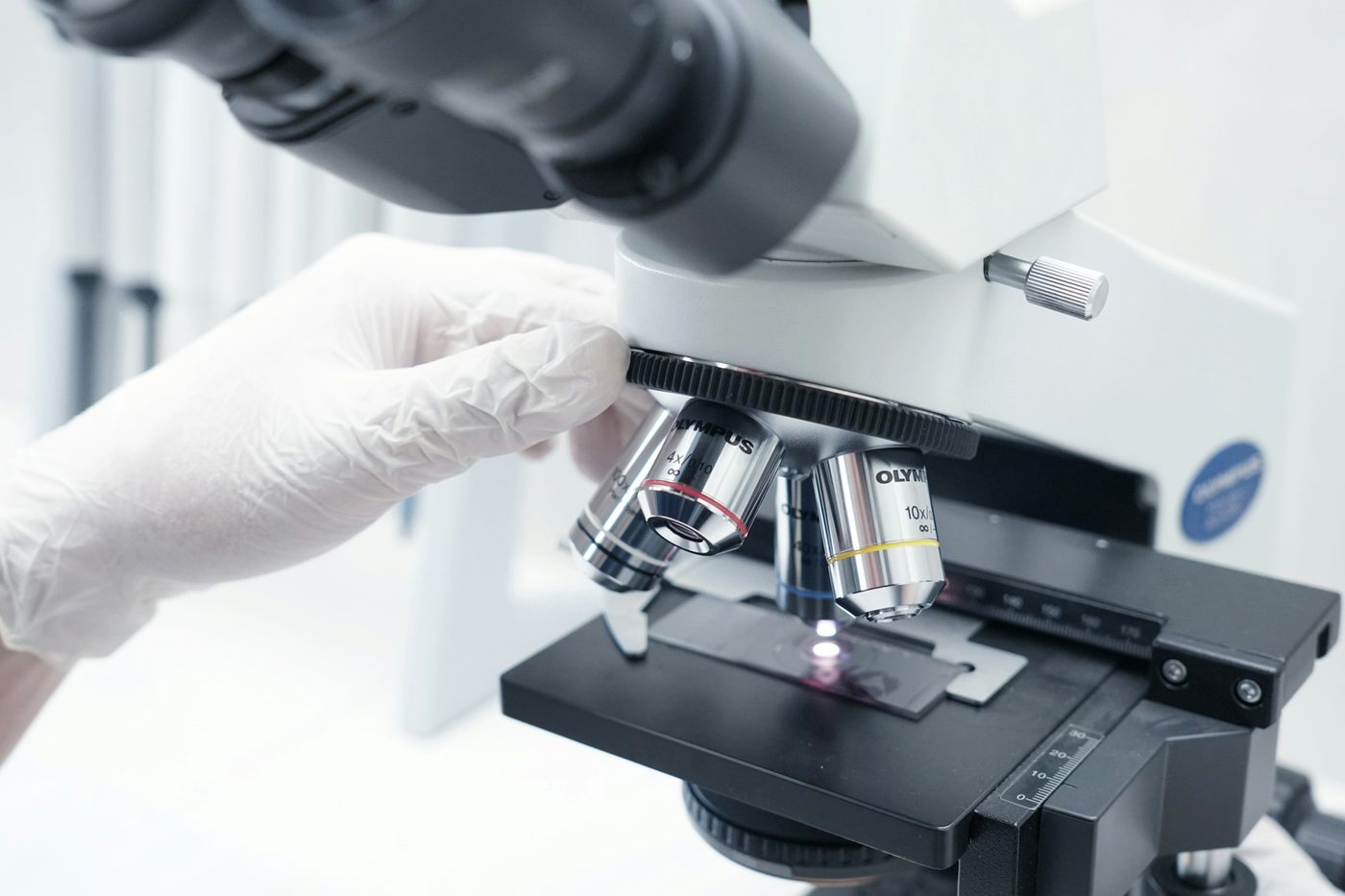
A gloved hand adjusting a laboratory microscope
1 small biopsyA routine procedure at your vet
3 to 4 weeksFrom arrival to confirmed storage
−196 °CLiquid nitrogen, indefinitely
How cloning works

A genetic twin, born later

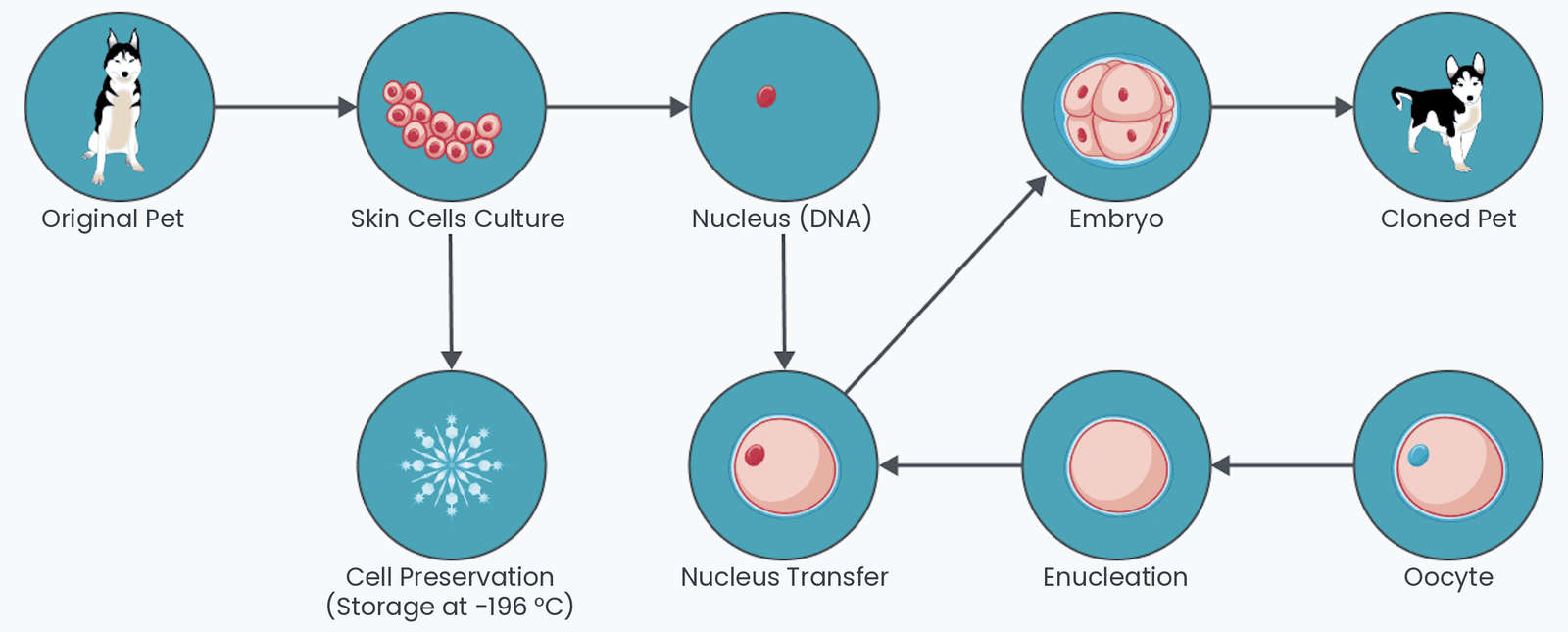
Diagram: skin cells from the original pet are cultured and preserved. The nucleus of one cell is transferred into a donor oocyte whose own nucleus has been removed. The resulting embryo develops into the cloned pet.

Swipe sideways to see the whole diagram.

What happens in the laboratory

Every cell in your animal's body carries its complete genome in the nucleus. Once the skin cells are cultured and preserved, the nucleus of one of those cells is transferred into a donor egg cell, called an oocyte, from which the original nucleus has been removed. The reconstructed cell is then stimulated to divide and grows into an embryo.

The embryo is carried to term by a surrogate mother, exactly as in IVF. The puppy or kitten that is born has the same genome as your animal. Nothing is added, edited or modified: the clone is a natural animal, carrying the DNA your pet already had.

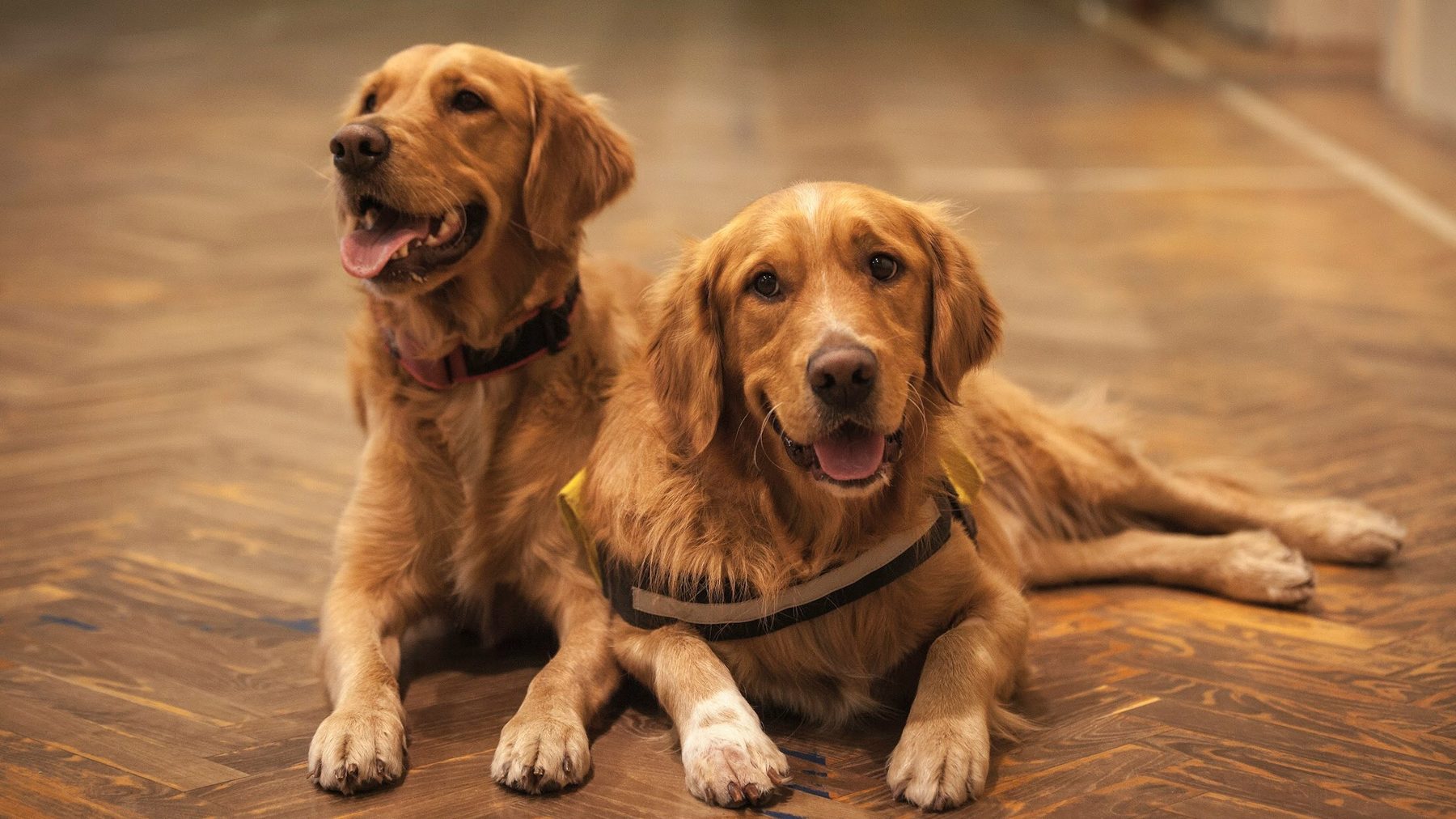
Two animals of the same breed lying side by side

What a clone is

An identical twin of your animal, born at a different time. Same genome, same breed characteristics, same colour, same build, same voice. Where your pet had a distinctive marking, the clone will almost always have it too, although animals with irregular spots can show small differences in their placement, because pigment cells move during development.

Temperament is substantially genetic and most owners recognise their animal in the clone quickly. We will not promise you more than that.

What a clone is not

It is not the same individual coming back. Memory is not genetic. The clone will not remember you, your home, the walk you always took, or the sound of your car. It will not have the habits your animal built over a lifetime with you.

If what you want is your animal, as it was, we cannot give you that and nobody can. If what you want is that animal's twin, raised by you from the beginning, that is exactly what this is.

Step by step

What actually happens

  1. 1

    You get in touch

    Tell us where you are and whether your animal is alive, ill or recently gone. We answer personally, usually within hours, by WhatsApp, Telegram or email.

  2. 2

    Your vet takes the biopsy

    It is a routine procedure any veterinarian can do. We send you the full written protocol to bring to your appointment, and your vet can contact us if they have any questions.

  3. 3

    You ship the sample

    Refrigerated, by express courier, using the instructions we provide. Never frozen.

  4. 4

    We culture and freeze the cells

    Three to four weeks. We tell you as soon as we see the cells growing, usually within the first two weeks.

  5. 5

    The cells wait

    In liquid nitrogen, for as long as you want.

  6. 6

    If, one day, you decide to clone

    We handle everything from there with our cloning partner Sinogene, one of the world's leading pet cloning laboratories.

In their words

From the families we work with

Today was probably one of the worst days of my life. This is the only thing that made it better.

Catalina, United States

Thanks for the update and for your great professionalism throughout the process. I am really happy that everything went smoothly.

Antonio, Italy

I thank you a thousand times for your help in our distress, which lets us hope to find again a part of the ball of fur we love so much.

Serge, France

Thank you so much for your kindness, responsiveness and genuine involvement in helping us. It means more to us than I can express.

Irina, Russia

Thank you for your kind support at my worst moment of 2025.

Gabor, Spain
No hidden costs

What it costs

The first step

Cell preservation

€2,000 (≈ ₹2,17,900)

Includes the cell culture, quality verification, cryopreservation and the first three years of storage.

  • Cell culture and verificationIncluded
  • CryopreservationIncluded
  • First three years of storageIncluded
  • Storage after that€200 / year
  • PaymentBefore cultivation starts

Cloning

€50,000dog or cat

(≈ ₹54,47,000)

€48,000 if the cells are already preserved with us.

  • An additional puppy or kitten from the same litter€10,000
  • HorsesOn request
  • When you decideEntirely up to you

Preservation is charged whether or not the cells grow. The work and the laboratory time are the same either way, and we would rather say that plainly now than argue about it later.

The amount in Indian rupees is an indication only, updated daily. Invoices are issued in euros.

Questions

What people ask us

Can you use hair, a blood sample, or a swab?
No. Cloning requires living cells, and skin is where we find the right ones. DNA on its own, however well preserved, cannot be used.
How soon after death does the sample need to be taken?
Within about five days, provided the body has been kept refrigerated at around 4 °C the whole time and never frozen. Temperature matters more than the number of days: a body left somewhere warm can lose its living cells much sooner. If your animal has just died, place the body in a fridge, not a freezer, and contact us the same day.
How much does it cost to clone a dog or a cat?
€50,000 (≈ ₹54,47,000), or €48,000 if the cells are already preserved with us. Preserving the cells first costs €2,000 (≈ ₹2,17,900), including three years of storage, and the decision to clone can come years later.
How long can the cells be stored?
Indefinitely. At −196 °C, in liquid nitrogen, cells do not age. Storage is included for the first three years, then costs €200 (≈ ₹21,800) per year.
Will the clone recognise me?
No. It will be meeting you for the first time, as a puppy or kitten. What it will have is the same genome, the same appearance and, in most cases, a temperament its owner recognises.
Can I clone a pet that died years ago?
Only if living cells were preserved at the time. Skin cells survive for only a few days after death, even when the body is refrigerated, and freezing or burial destroys them. If no sample was taken when your animal died, cloning is unfortunately no longer possible.
What if my vet has never done this?
Most have not, and it is rarely a problem. The biopsy is a routine procedure, and we give you the full written protocol to bring to your appointment. If your vet has questions, they can contact us directly. Occasionally a clinic prefers not to take it on, and another local practice will usually be happy to. As a last resort, tell us and we will try to help.
When is payment due?
Preservation is paid in full before cultivation of the cells begins. Because culture starts as soon as the sample reaches the laboratory, we ask for payment when you decide to go ahead, ideally before the biopsy is taken. For cloning, the payment schedule is set out in writing before you commit.
Where do the surrogate mothers come from, and how are they treated?
Cloning uses a surrogate mother, in the same way human IVF does. The surrogates are usually beagles or cats kept at the breeding facility attached to the cloning laboratory. They are not strays, they are not used up and discarded, and they are cared for through pregnancy and afterwards. As with IVF, more than one embryo is transferred to give the pregnancy a reasonable chance, so occasionally more than one animal is born. You choose the one you take. Any others go to families connected to the laboratory's staff. No animal is destroyed because it was surplus. We will say plainly what we know and what we do not, and we have refused to work with facilities whose standards we were not satisfied with.
Will the cloned animal be healthy, and when does it come home?

Cloned animals are, as far as anyone has been able to measure, ordinary animals. They are not born old, they do not have shortened lives, and they are vaccinated, health-checked and documented like any other puppy or kitten.

They travel to you once vaccination and import rules allow. Bringing a dog or cat into India requires an advance No Objection Certificate from the Animal Quarantine and Certification Service (AQCS), a valid rabies vaccination and, usually, a short quarantine on arrival. Depending on the case, an import licence may also be needed. We check your situation in detail and tell you exactly what applies before you commit to anything.

How long does cloning take?
It varies enough that any number we published would be misleading. We will give you a realistic range for your case when you reach that decision, based on what is actually happening at the laboratory at the time.
Where does it all happen?
Cell culture and storage take place in our laboratory in India. If you would like extra security, a second copy of your cells can be stored in another of our laboratories, as an option. Cloning itself is carried out by our partner Sinogene, one of the leading pet cloning companies in the world.
Is it legal?
Yes. Preserving your pet's cells and cloning a dog or cat are legal. Indian research institutes have themselves cloned animals since 2009. Bringing the animal home follows the import rules described above.

Get in touch

Start with a message, not a decision

You do not have to decide anything today. If your animal is alive, the first step is a conversation and a routine appointment with your vet. If your animal has just died, the first step is a fridge and a message to us.

WhatsApp
+385 99 769 9941
Telegram
@Fpellay

We reply personally, in English or French.